
Essays
Longer pieces that follow a question across the whole history: how the words changed, who was confined and why, what patients themselves wrote, and how far we can trust a diagnosis made from old records.
Essay · 6 min
How words for madness changed
From the Latin insania and furor to 'lunatic', 'alienist', 'mental hospital' and 'schizophrenia': why the words for madness kept changing, and why the change usually came from law and institutions rather than discovery.
 Essay · 7 min
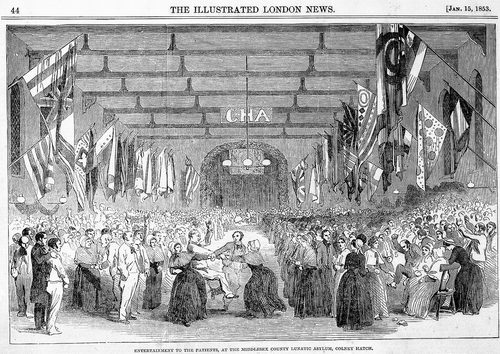
Who got locked up, and why
Asylum populations were never a simple sample of the mentally ill. Poverty, family, the Poor Law, sex, migration, race, age and bodily disease all decided who was confined, and historians still argue over how much each counted.
 Essay · 8 min
The patients who wrote back
From John Perceval in the 1830s to Clifford Beers in 1908, former patients wrote against the asylum. Their first battle was to be believed at all, and what they won was mostly the right to be heard.
 Essay · 6 min
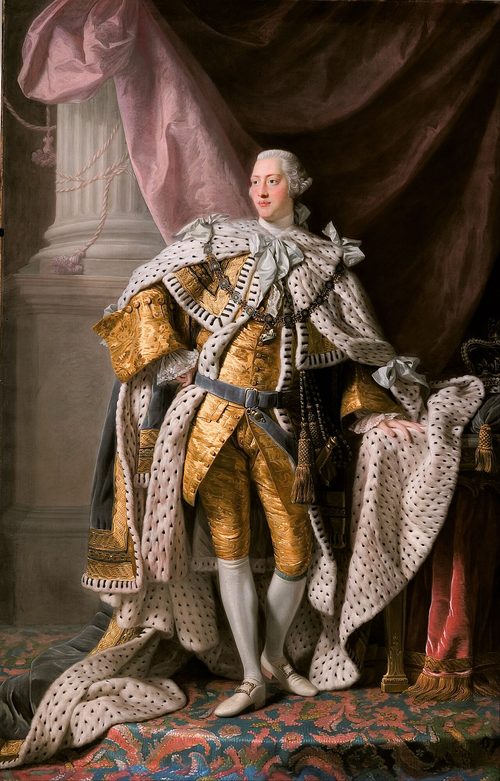
Can we diagnose the dead?
Why this site never diagnoses historical figures, and hedges every modern equivalent it gives: the evidence was made for other purposes, diseases change their identities, and each age's diagnoses of the dead reflect its own medicine.
 Essay · 7 min
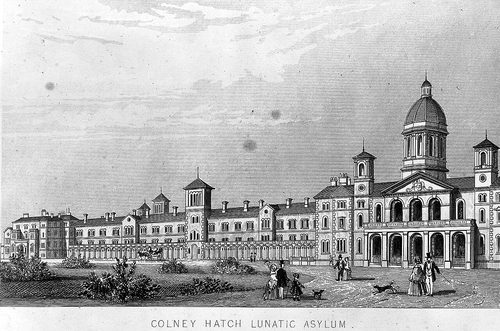
The rise and fall of the asylum
How the public asylum grew from a few small madhouses into hospitals of thousands, and was then closed: an argument that its failures came from its success at taking in the people no other institution would hold.
Essay · 7 min
"On being sane in insane places": Rosenhan's study and its challengers
In 1973 David Rosenhan reported that eight sane people were admitted to psychiatric hospitals by claiming to hear voices. The study helped reshape American psychiatry; later research suggests it was not done as described.
 Essay · 7 min
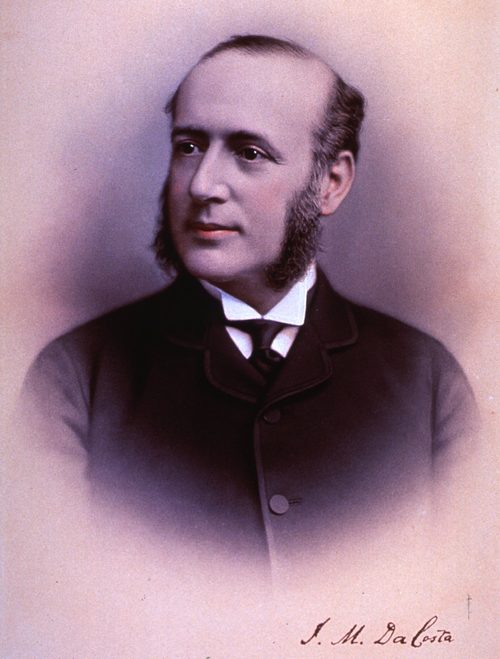
War and the mind: from nostalgia to PTSD
Nostalgia, irritable heart, shell shock, exhaustion, PTSD: each war named soldiers' breakdown anew, and each name was a ruling on cause, and so on who deserved a pension, treatment or punishment.
 Essay · 8 min
Counting the confined: asylum populations, 1800–2000
Asylum numbers in England and the United States rose for a century and then fell by three-quarters or more. What the official counts measured was how long people stayed, not how many fell ill, as their own compilers warned.
Essay · 7 min
Who got locked up, and why
Asylum populations were never a simple sample of the mentally ill. Poverty, family, the Poor Law, sex, migration, race, age and bodily disease all decided who was confined, and historians still argue over how much each counted.
Essay · 8 min
The patients who wrote back
From John Perceval in the 1830s to Clifford Beers in 1908, former patients wrote against the asylum. Their first battle was to be believed at all, and what they won was mostly the right to be heard.
Essay · 6 min
Can we diagnose the dead?
Why this site never diagnoses historical figures, and hedges every modern equivalent it gives: the evidence was made for other purposes, diseases change their identities, and each age's diagnoses of the dead reflect its own medicine.
Essay · 7 min
The rise and fall of the asylum
How the public asylum grew from a few small madhouses into hospitals of thousands, and was then closed: an argument that its failures came from its success at taking in the people no other institution would hold.
Essay · 7 min
"On being sane in insane places": Rosenhan's study and its challengers
In 1973 David Rosenhan reported that eight sane people were admitted to psychiatric hospitals by claiming to hear voices. The study helped reshape American psychiatry; later research suggests it was not done as described.
Essay · 7 min
War and the mind: from nostalgia to PTSD
Nostalgia, irritable heart, shell shock, exhaustion, PTSD: each war named soldiers' breakdown anew, and each name was a ruling on cause, and so on who deserved a pension, treatment or punishment.
Essay · 8 min
Counting the confined: asylum populations, 1800–2000
Asylum numbers in England and the United States rose for a century and then fell by three-quarters or more. What the official counts measured was how long people stayed, not how many fell ill, as their own compilers warned.