
Theories
How people explained a troubled mind: as an imbalance of bodily fluids, the work of demons, a faulty brain, inherited decline, or a conflict below awareness. Each theory shaped what was done to patients.
 Antiquity–19th century
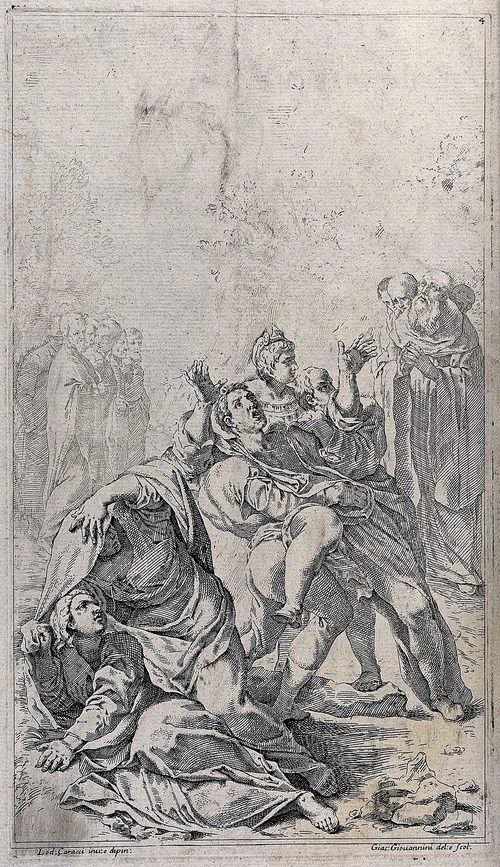
Demonic possession and its critics
Many cultures have explained fits, voices and despair as the work of spirits. How Europeans argued over possession from Hippocrates to Charcot, and why the story that medicine simply defeated superstition is too simple.
 c. 400 BCE–1800s
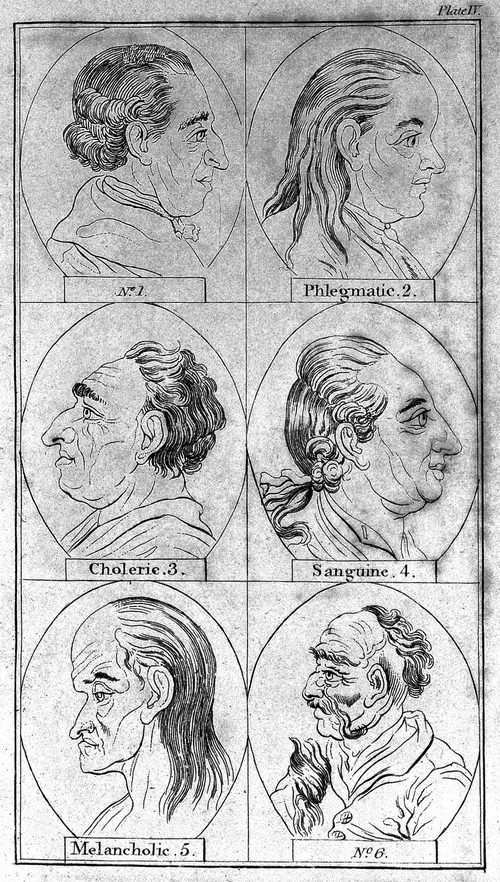
The four humours
For two thousand years, European and Islamic medicine explained madness and melancholy by four bodily fluids. What the theory claimed about the mind, how it shaped treatment, and how it slowly lost its hold.
 1770s–1850s
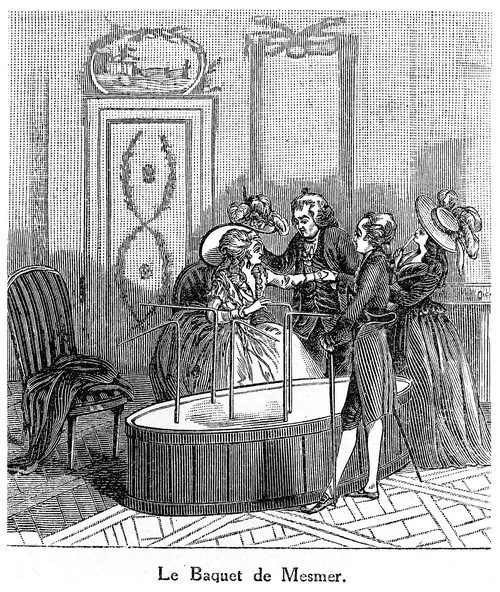
Animal magnetism and mesmerism
Franz Anton Mesmer claimed an invisible fluid linked all living things and could cure nervous disorders. A royal commission found only imagination at work, but his methods led to hypnotism and the psychology of suggestion.
 1796–1850s
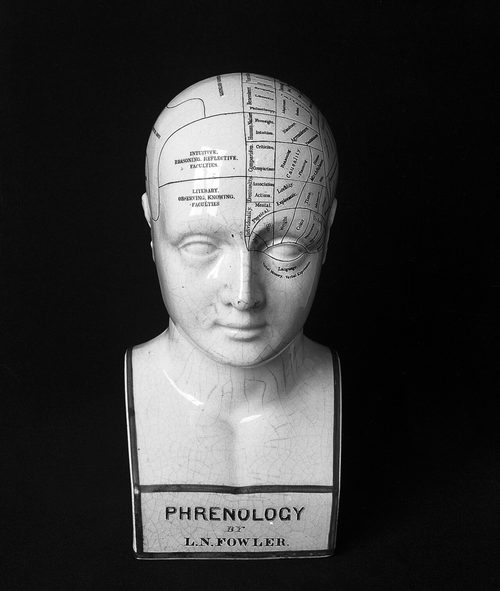
Phrenology
Phrenology held that the mind was a set of faculties, each with its own organ in the brain, readable on the skull. Long dismissed as a fad, it also shaped how early asylum reformers thought about madness.
 1845–1990
The biological turn
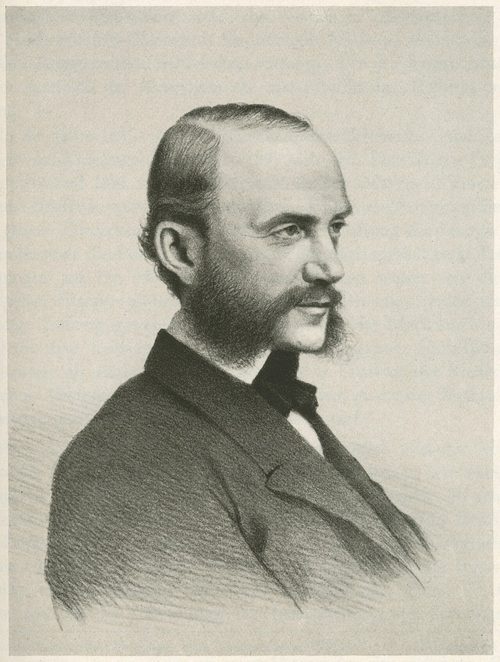
From Griesinger's claim in the 1840s that mental illness is brain disease, through the microscope, the shock therapies and the drug revolution, to DSM-III in 1980: how psychiatry repeatedly turned to the body.
 1857–1914
Degeneration theory
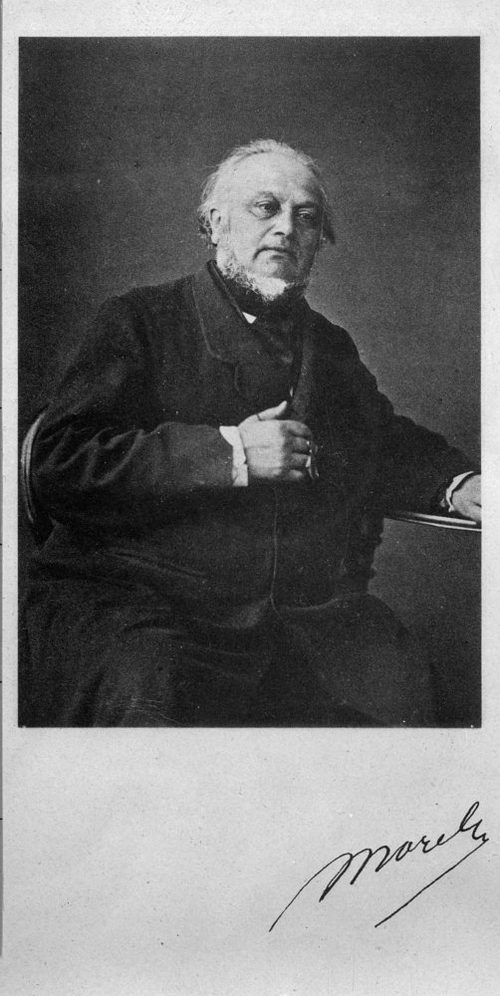
From the 1850s many psychiatrists believed that madness was the sign of a family in hereditary decline, worsening with each generation. How Morel's theory spread, what it explained for asylum doctors, and where it led.
 1883–1970s
Eugenics and psychiatry
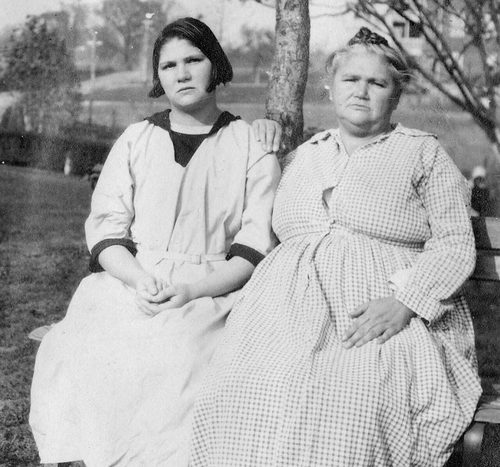
Eugenics promised to reduce mental illness by preventing 'unfit' people from having children. How psychiatrists helped build sterilisation laws in the United States and Europe, Buck v. Bell, and the road to the Nazi killing of patients.
 1890s–1980
Psychoanalysis
Freud's theory of the unconscious began as a treatment for hysteria in 1890s Vienna and came to dominate American psychiatry after 1945. Its history, its place in psychiatry, and the long argument over whether it works.