
Treatments
What was done to people in mental distress, in order of introduction: some humane, many useless, some deeply harmful, a few still in use in changed form. Described as history, with what was claimed for each treatment at the time and what the evidence later showed.
-
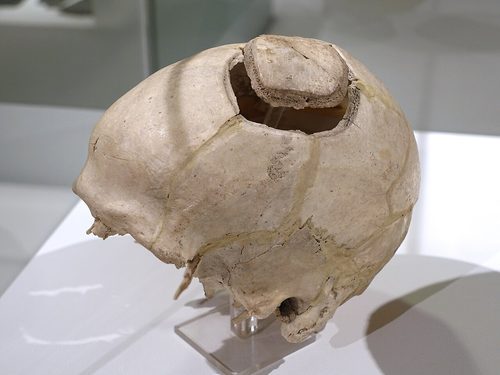 Mesolithic–17th century · TransformedTrepanationHoles cut in living skulls survive from the Stone Age onwards, many of them healed. What the archaeology shows, why the idea that they let out evil spirits is a nineteenth-century guess, and where madness fits in.
-
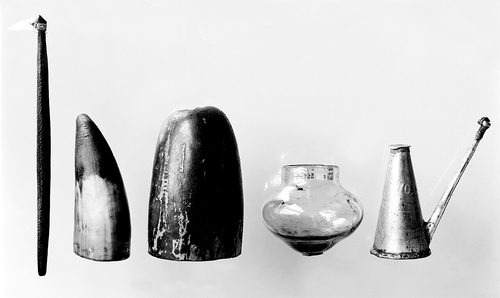 Antiquity–1850s · AbandonedBloodletting, purging and emeticsFor two thousand years doctors bled, purged and vomited people with mania and melancholy. How depletion worked in theory, how it was done at Bethlem and in Philadelphia, and how it faded in the nineteenth century.
-
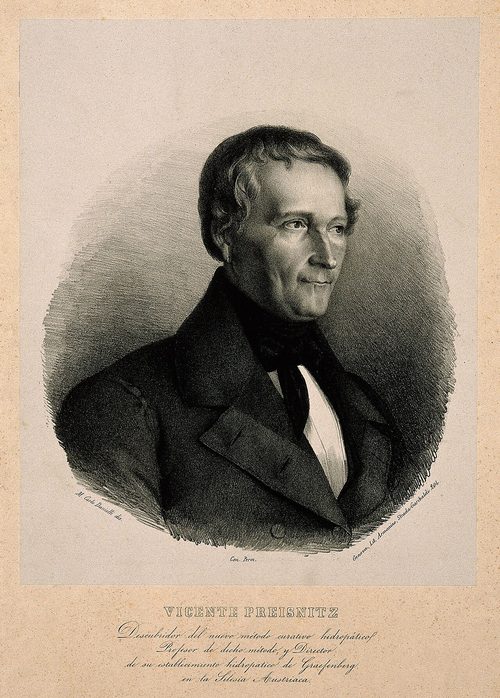 1700s–1950s · AbandonedHydrotherapyWater was one of psychiatry's oldest tools: shock baths and shower baths in the early asylum, wet packs from 1860, and continuous baths lasting hours or days in the early twentieth century, until drugs replaced them.
-
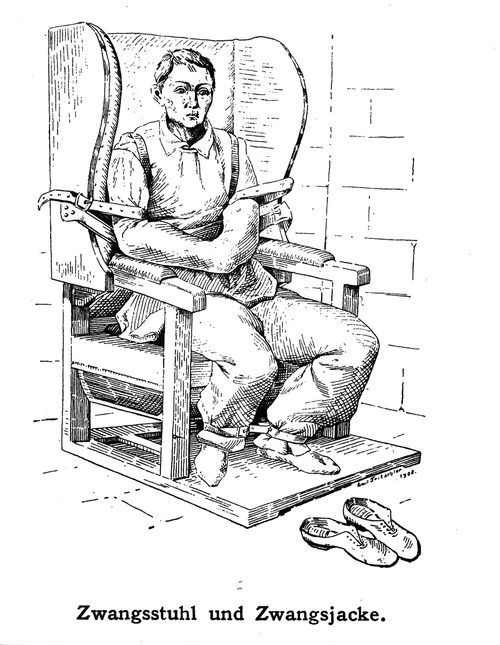 1700s–1890s · TransformedRestraint and the non-restraint movementChains, strait-waistcoats and restraint chairs were the ordinary equipment of asylums until the late 1830s, when Lincoln and then Hanwell abolished them. Britain made non-restraint a doctrine; much of the world did not.
-
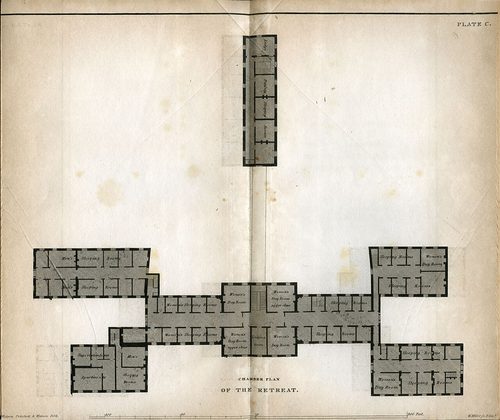 1790s–1870s · TransformedMoral treatmentMoral treatment, developed at Bicêtre in Paris and the York Retreat in the 1790s, tried to cure madness through kindness, routine, work and self-control rather than chains and drugs. It shaped a century of asylums.
-
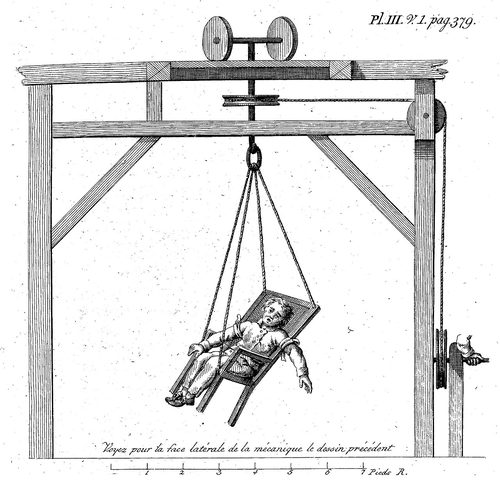 1796–1830s · AbandonedSwinging and rotating chairsAround 1800, doctors strapped patients into chairs and beds that spun at speed, to induce giddiness, vomiting and sleep. Erasmus Darwin's idea, Joseph Mason Cox's swing, and why it was abandoned within a generation.
- 1870s–1920s · AbandonedThe rest cureSilas Weir Mitchell's rest cure of the 1870s prescribed weeks in bed, isolation, rich feeding, massage and electricity, mostly for women with 'nervous' illness. Charlotte Perkins Gilman's account made it notorious.
-
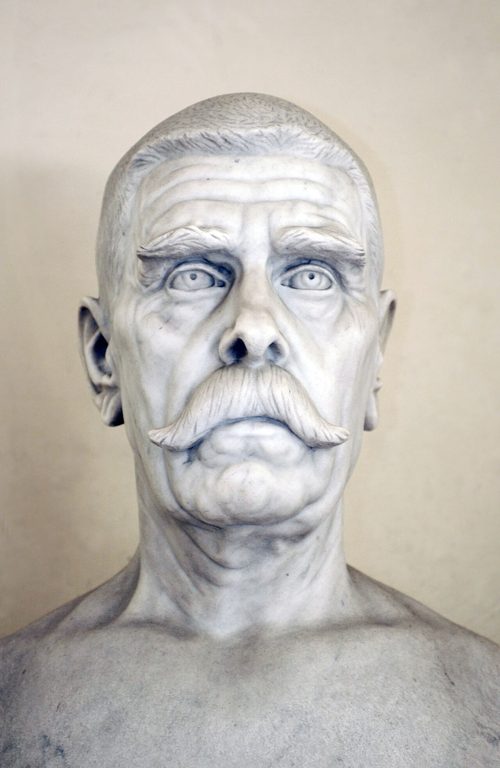 1917–1950s · AbandonedMalaria therapyFrom 1917 doctors deliberately infected people with general paralysis with malaria, hoping the fever would halt the disease. It won a Nobel Prize in 1927 and was used until penicillin replaced it.
- 1933–1960s · AbandonedInsulin coma therapyFrom the mid-1930s to the late 1950s, people diagnosed with schizophrenia were put into deep comas with insulin, day after day. A trial in 1957 found the insulin itself did nothing special.
-
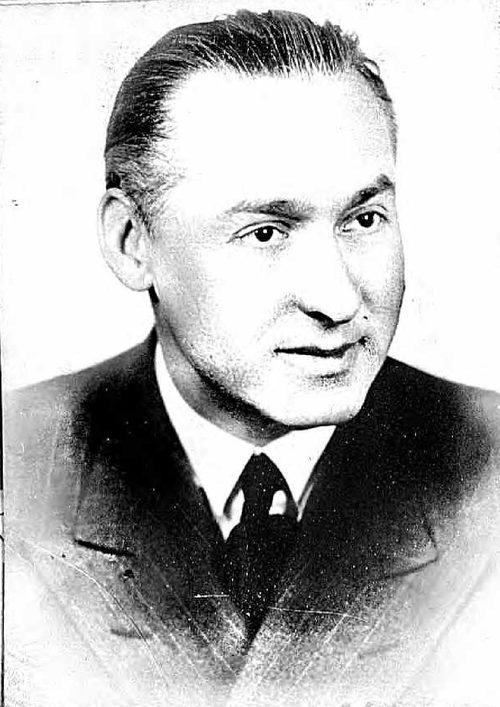 1934–1950s · AbandonedMetrazol convulsive therapyIn 1934 Ladislas Meduna began causing seizures with drugs to treat schizophrenia, first camphor and then cardiazol (Metrazol). Patients dreaded it, and within a decade electricity had replaced the drug.
-
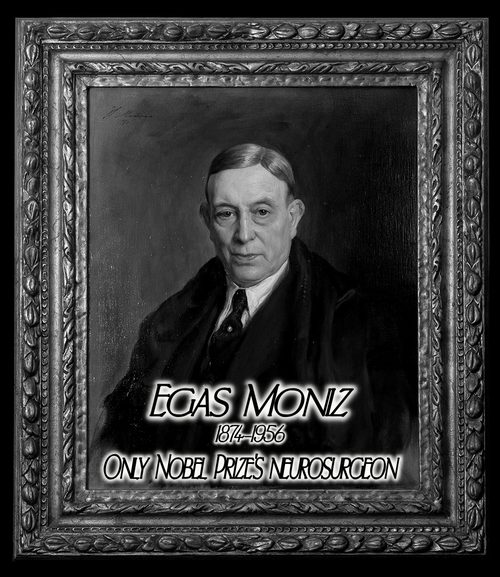 1935–1960s · AbandonedLobotomyBrain surgery to cut the frontal lobes' connections, begun in Lisbon in 1935 and rewarded with a Nobel Prize in 1949. Tens of thousands were operated on before drugs and evidence of harm ended it.
-
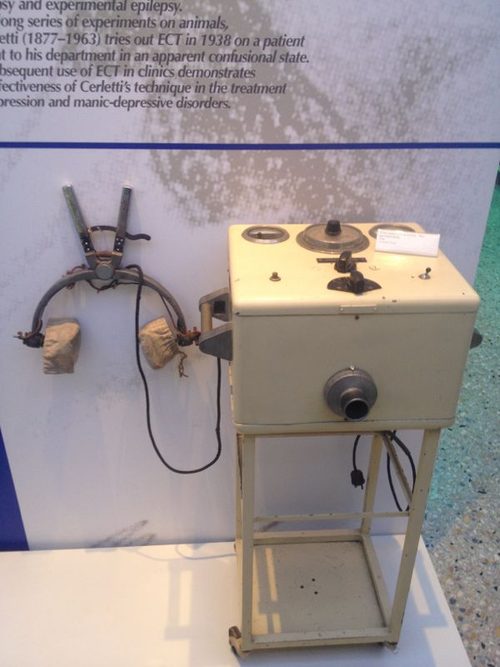 1938–present · TransformedElectroconvulsive therapy, then and nowUgo Cerletti and Lucio Bini first induced a seizure with electricity in Rome in April 1938. Unmodified ECT injured and frightened many; anaesthesia and muscle relaxants made it a treatment still used today.
-
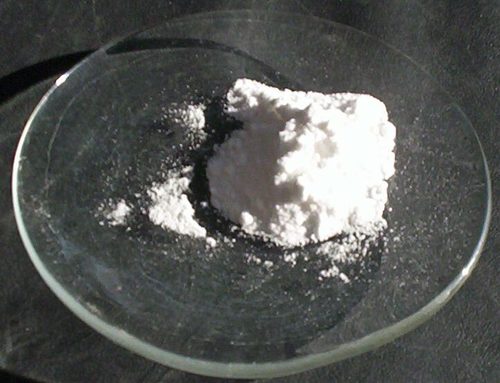 1949–present · Still in useLithiumJohn Cade's 1949 report that lithium calmed mania was nearly buried by fear of poisoning. Mogens Schou's trials, and a bitter dispute with London critics, made it the first drug shown to prevent relapse.
-
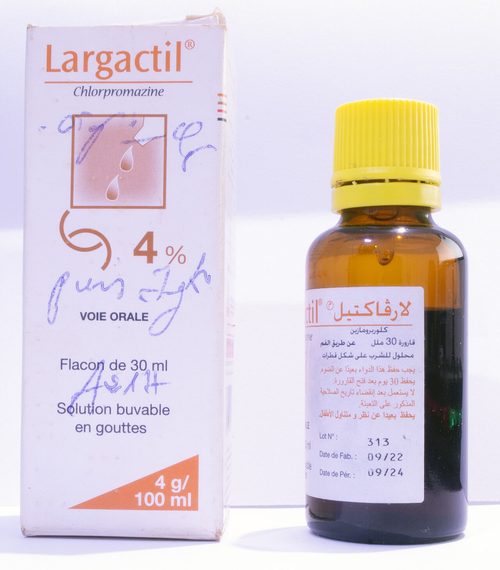 1952–present · TransformedChlorpromazineA French drug tried on psychiatric patients in Paris in 1952. Chlorpromazine calmed psychosis without stupor, emptied wards and began the age of psychiatric drugs, with lasting side-effects.
-
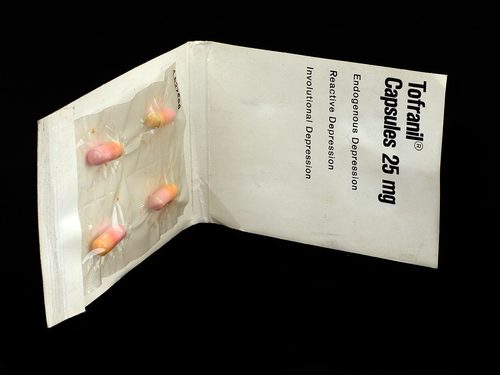 1952–1970s · TransformedThe first antidepressantsTwo chance findings of the 1950s, a tuberculosis drug that lifted patients' spirits and a failed antipsychotic tested in a Swiss asylum, gave psychiatry its first antidepressants and a disputed chemical theory.
-
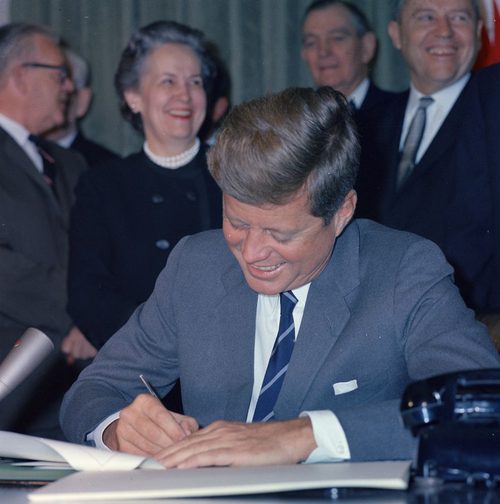 1955–2000 · TransformedDeinstitutionalisationFrom the mid-1950s Western countries emptied their great mental hospitals: US public hospitals fell from about 559,000 patients to under 72,000 in forty years. Whether patients were freed or abandoned is still argued.