

Old diagnoses
Words doctors once used with confidence: what they meant, who described them, what they may correspond to now, and why they faded.
All 16 diagnoses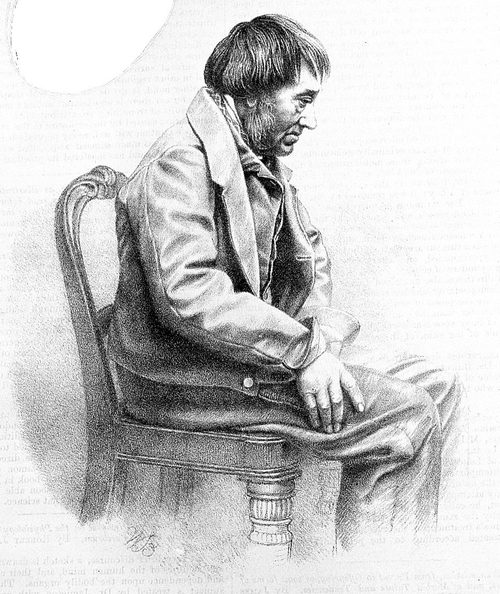 c. 400 BCE–1900s
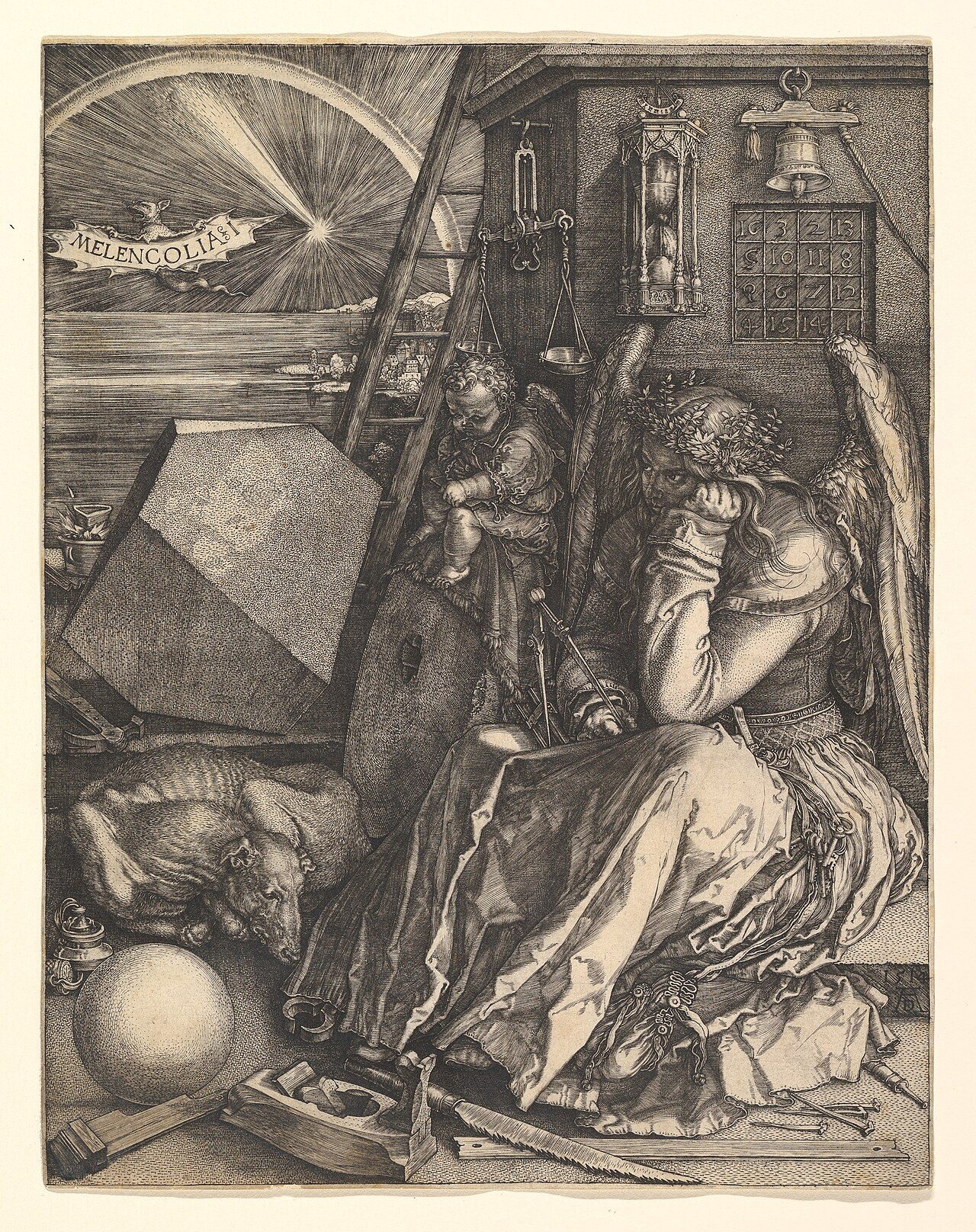
Melancholia
For two thousand years melancholia meant fear and sorrow without cause, blamed on black bile. How physicians from Aretaeus to Kraepelin defined it, and how it became 'depression'.
 1680s–1980
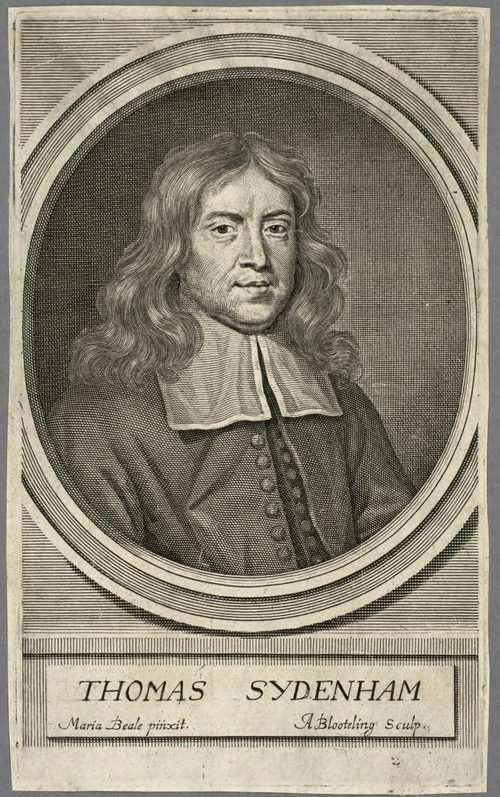
Hysteria
Named for the womb, hysteria became medicine's catch-all for symptoms it could not explain. Its history from Greek texts to Sydenham, Charcot and Freud, and why it was dropped in 1980.
 1688–1918
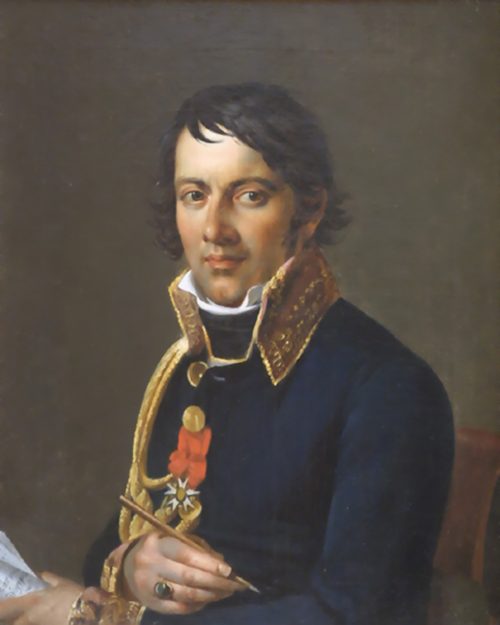
Nostalgia
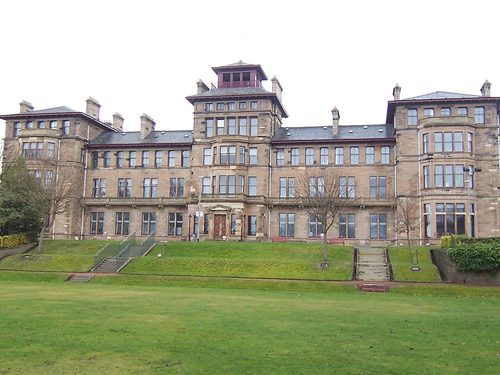
Coined in 1688 for Swiss soldiers sick with longing for home, nostalgia was a diagnosis that army doctors believed could kill. How it rose, spread through armies, and became a mere feeling.
 1914–1922
Shell shock
A soldiers' phrase of 1914–15 that became a medical diagnosis, a pension category and a political scandal, before a War Office committee in 1922 called it 'a gross and costly misnomer'.
 1869–1920s
Neurasthenia
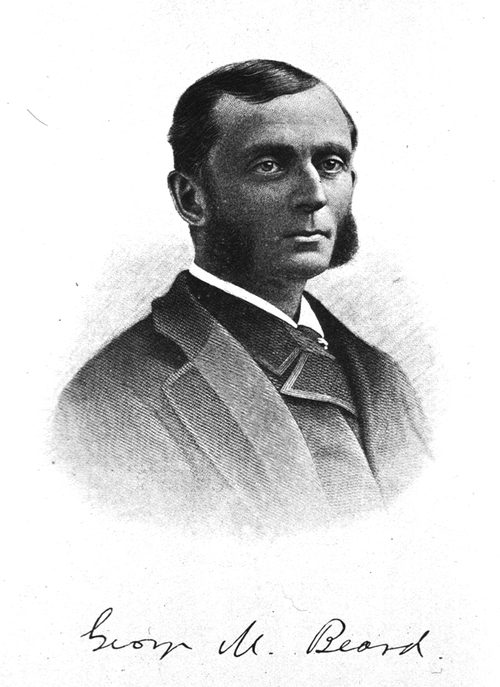
George Beard's 'nervous exhaustion' of 1869 blamed modern life for tired, anxious, aching patients. It became the fashionable diagnosis of the 1880s, faded by 1920, and lived on in China.
 1890s–1950s
Dementia praecox
Emil Kraepelin's 'early dementia' of the 1890s: a psychosis of youth he thought led to lasting decline. Contested from the start, it was renamed schizophrenia and reshaped twentieth-century psychiatry.
 1851–1860s
Drapetomania
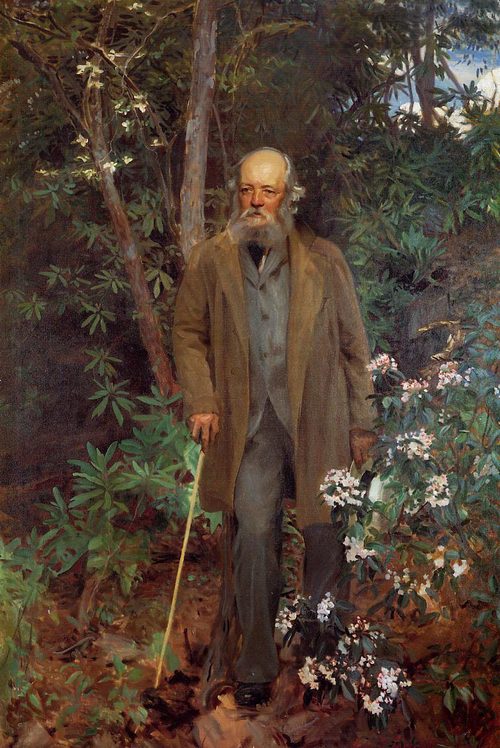
A 'disease' invented in 1851 by the Louisiana physician Samuel Cartwright to explain why enslaved people ran away. It was medicalised racism in defence of slavery, and was mocked even in its own day.
 1374–1600s
Dancing mania
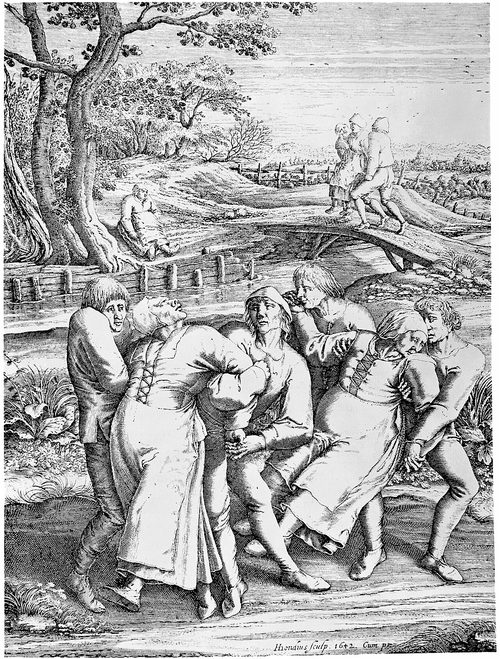
Outbreaks of compulsive dancing along the Rhine and Moselle between 1374 and the 1500s, blamed on saints and demons, later named a 'mania' by doctors. Their cause is still argued over.
Treatments
From bloodletting and the rotating chair to moral treatment, insulin coma, lobotomy and chlorpromazine.
All 16 treatments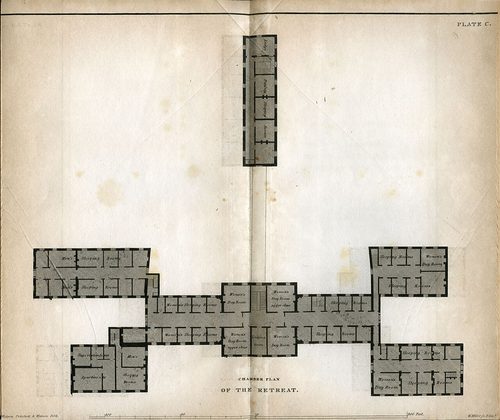 1790s–1870s · Transformed
Moral treatment
Moral treatment, developed at Bicêtre in Paris and the York Retreat in the 1790s, tried to cure madness through kindness, routine, work and self-control rather than chains and drugs. It shaped a century of asylums.
 1935–1960s · Abandoned
Lobotomy
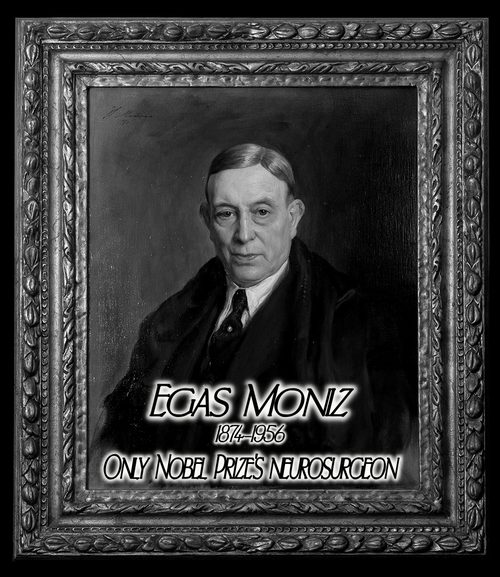
Brain surgery to cut the frontal lobes' connections, begun in Lisbon in 1935 and rewarded with a Nobel Prize in 1949. Tens of thousands were operated on before drugs and evidence of harm ended it.
1870s–1920s · Abandoned
The rest cure
Silas Weir Mitchell's rest cure of the 1870s prescribed weeks in bed, isolation, rich feeding, massage and electricity, mostly for women with 'nervous' illness. Charlotte Perkins Gilman's account made it notorious.
 1952–present · Transformed
Chlorpromazine
A French drug tried on psychiatric patients in Paris in 1952. Chlorpromazine calmed psychosis without stupor, emptied wards and began the age of psychiatric drugs, with lasting side-effects.
Places
Bethlem, the town of Geel, Vienna's round tower, the York Retreat, and the institutions that followed.
All 12 places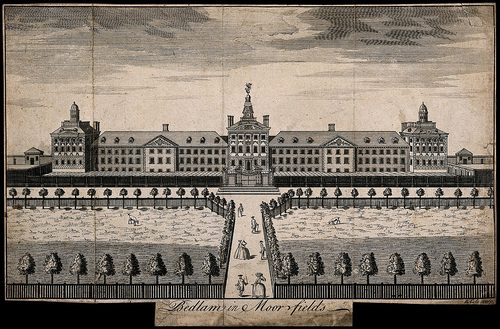 United Kingdom · 1247
Bethlem Hospital ("Bedlam")
London's hospital for the mentally ill since the Middle Ages: a priory of 1247, a palace at Moorfields, a parliamentary scandal in 1815, and a working hospital and museum at Beckenham today.
 Belgium · 1349
Geel and family care
In the Flemish town of Geel, people with mental illness have lived as boarders with local families since the Middle Ages. The state took the system over in the 1850s, and it still runs today.
 Austria · 1784
The Narrenturm, Vienna
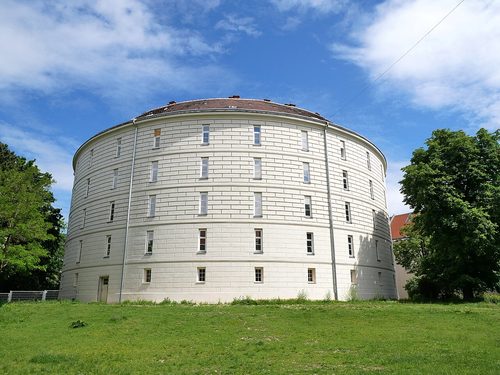
A five-storey round tower built in 1784 under Joseph II to hold Vienna's mentally ill, used as an asylum until 1869 and since 1971 the home of a museum of pathology.
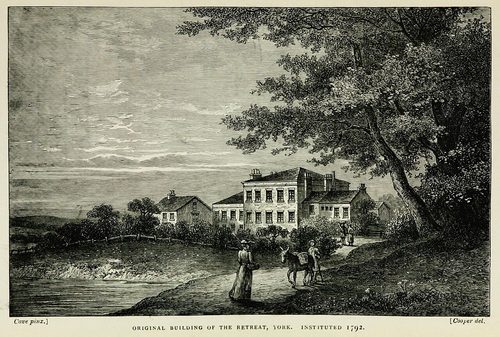 United Kingdom · 1796
The York Retreat
A small Quaker house outside York, opened in 1796 after a Friend died in the city asylum, whose mild regime, described by Samuel Tuke in 1813, made 'moral treatment' famous across Britain and America.
Theories of the troubled mind
Each explanation of madness carried its own cure. These are the ideas that shaped what was done to patients.
All theories- Antiquity–19th centuryDemonic possession and its criticsSome disturbances of mind and body are caused by a demon or evil spirit that has entered or seized a person, and are to be cured by prayer, exorcism or the punishment of whoever sent it.
- c. 400 BCE–1800sThe four humoursHealth is a right balance of four fluids, blood, phlegm, yellow bile and black bile, each hot or cold, wet or dry; disorders of mind and body follow when one is in excess or corrupted, and black bile in particular darkens the mind.
- 1770s–1850sAnimal magnetism and mesmerismA subtle universal fluid flows through all bodies; illness, including nervous and mental disorder, comes from obstacles to its flow, and a magnetiser can restore it by passes of the hands, touch and magnetised objects, provoking a healing 'crisis'.
- 1796–1850sPhrenologyThe brain is the organ of the mind; the mind is made of distinct faculties, each with its own region of the brain whose size indicates its strength, and the shape of the skull reveals the brain beneath.
- 1845–1990The biological turnMental illnesses are diseases of the brain, with causes in its structure, chemistry or inheritance, to be studied by the methods of medicine and treated by physical means.
- 1857–1914Degeneration theoryHarmful influences such as alcohol, poisons, poverty, disease or immoral living damage a person's constitution; the damage is inherited and grows worse in each generation, from nervousness to insanity to idiocy and sterility, so that a 'degenerate' family line dies out.
- 1883–1970sEugenics and psychiatryMental illness, 'feeble-mindedness', epilepsy and crime are largely inherited, so the health of a population can be improved by encouraging the 'fit' to have children and preventing the 'unfit', through segregation, marriage laws and sterilisation.
- 1890s–1980PsychoanalysisMuch of mental life is unconscious; symptoms such as hysterical paralysis, obsessions and anxieties express repressed wishes and memories, often from childhood, and they can be relieved when the patient, through free association and the interpretation of dreams and of the relationship with the analyst, brings that material into awareness.
People
Physicians and reformers, and the patients who wrote back: Nellie Bly, Elizabeth Packard, Clifford Beers and others who described the asylum from inside.
All 28 people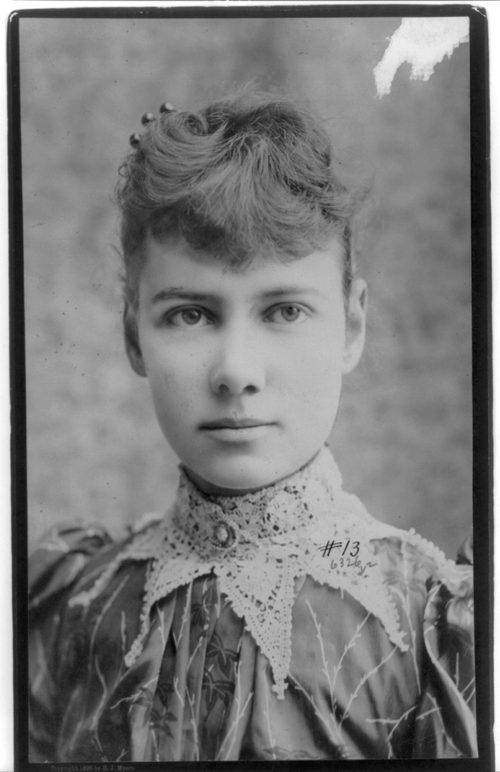 1864–1922 · Journalist
Nellie Bly
American journalist (1864–1922) who in 1887 feigned insanity to be committed to the women's asylum on Blackwell's Island, New York, and published what she saw as Ten Days in a Mad-House.
1816–1897 · Patient-writer
Elizabeth Packard
Minister's wife (1816–1897) committed to the Illinois asylum by her husband in 1860 under a law that needed no evidence; found sane by a jury in 1864, she campaigned for decades to change commitment laws.
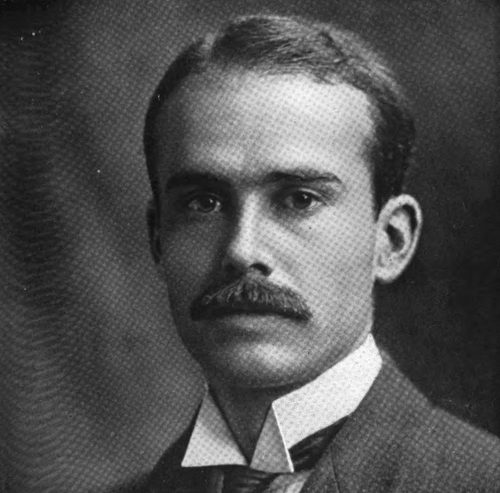 1876–1943 · Patient-writer
Clifford Beers
Yale graduate and former patient (1876–1943) whose 1908 memoir A Mind That Found Itself exposed abuse in Connecticut asylums and launched the American mental hygiene movement.
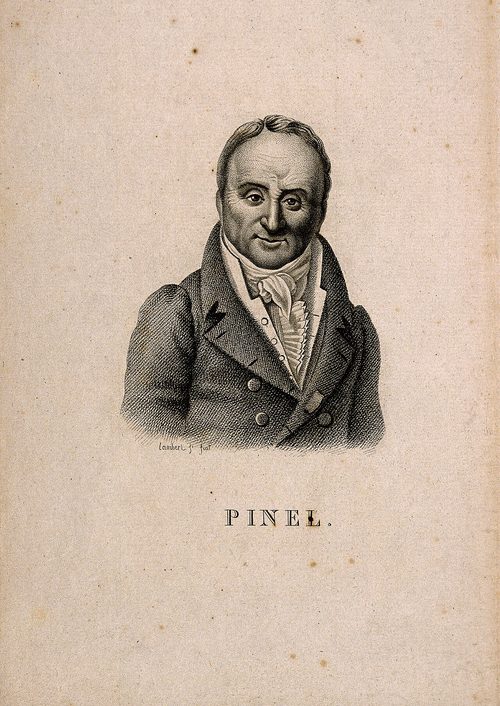 1745–1826 · Physician
Philippe Pinel
French physician (1745–1826) of Bicêtre and the Salpêtrière whose 1801 Treatise on Insanity made moral treatment a medical doctrine; the famous story of him striking off patients' chains is a later legend.
 1802–1887 · Reformer
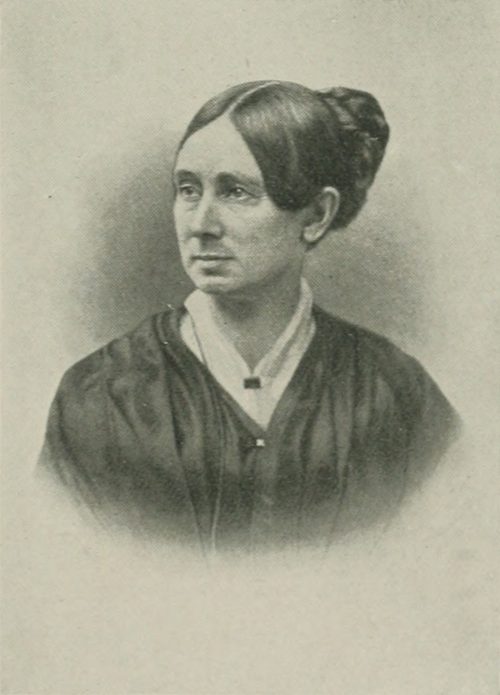
Dorothea Dix
Massachusetts campaigner (1802–1887) whose memorials to legislatures, from 1843, helped found some thirty American asylums; her federal land bill was vetoed in 1854, and she ran the Union's army nurses.
 1860–1935 · Writer
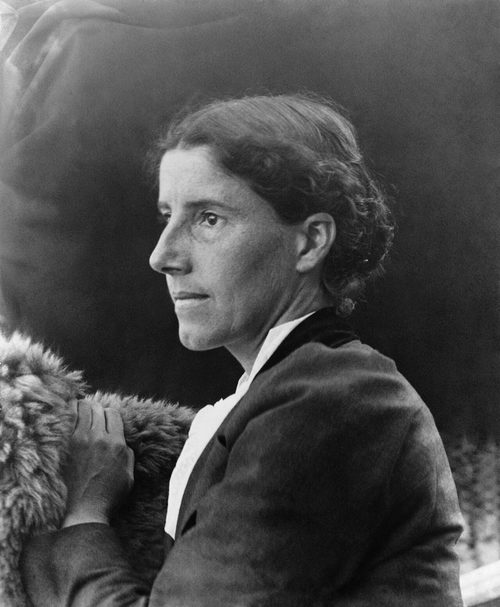
Charlotte Perkins Gilman
American writer and reformer (1860–1935) who underwent Silas Weir Mitchell's rest cure in 1887 and turned it into 'The Yellow Wall-Paper' (1892), the best-known patient's story of nervous medicine.
 1856–1926 · Psychiatrist
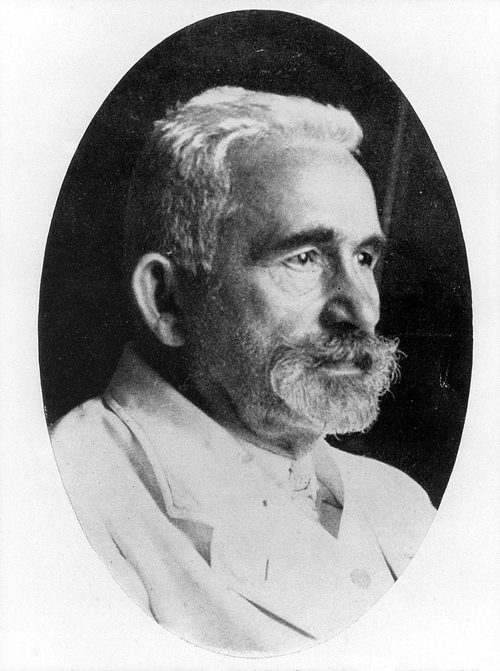
Emil Kraepelin
German psychiatrist (1856–1926) whose division of the psychoses into dementia praecox and manic-depressive insanity shaped classification for a century; he also championed temperance and racial hygiene.
1745–1811 · Hospital governor
Jean-Baptiste Pussin
A tanner who came to Bicêtre as a patient, became governor of its ward for insane men, taught Pinel moral treatment and in 1797 replaced the chains there with strait-waistcoats. He died at the Salpêtrière in 1811.
 Essay · 7 min
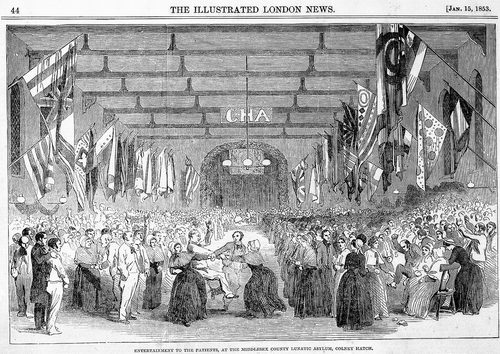
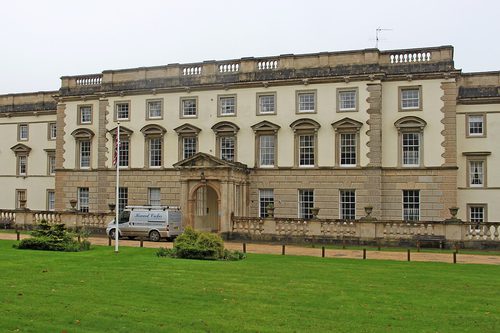
Who got locked up, and why
Asylum populations were never a simple sample of the mentally ill. Poverty, family, the Poor Law, sex, migration, race, age and bodily disease all decided who was confined, and historians still argue over how much each counted.
 Essay · 8 min
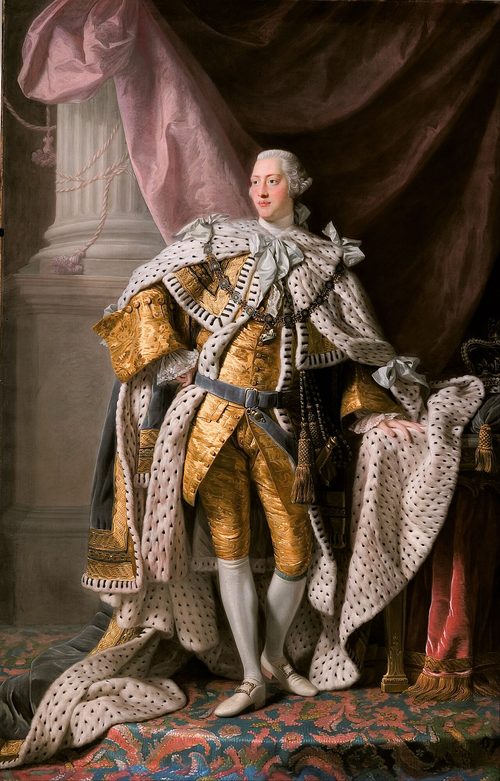
The patients who wrote back
From John Perceval in the 1830s to Clifford Beers in 1908, former patients wrote against the asylum. Their first battle was to be believed at all, and what they won was mostly the right to be heard.
 Essay · 6 min
Can we diagnose the dead?
Why this site never diagnoses historical figures, and hedges every modern equivalent it gives: the evidence was made for other purposes, diseases change their identities, and each age's diagnoses of the dead reflect its own medicine.
Timeline
547 dated events, from the earliest descriptions of melancholia to the closing of the great asylums.
- c. 400 BCE The Hippocratic treatise On the Nature of Man names blood, phlegm, yellow bile and black bile as the...
- 1403 A visitation records six men 'mente capti' at Bethlem, the first certain mention of patients with mental...
- 1563 Johannes Oporinus prints Weyer's De praestigiis daemonum in Basel.
- May 1796 The Retreat opens near York for members of the Society of Friends.
- 1843 Dorothea Dix's Memorial describes insane people held in the jails and almshouses of Massachusetts.
- 1887 Nellie Bly has herself committed to the women's asylum and publishes her exposé in the New York World.
- 1917 Julius Wagner-Jauregg begins treating general paralysis by infecting patients with malaria.
- 12 November 1935 At the Santa Marta Hospital in Lisbon, Egas Moniz and the surgeon Pedro Almeida Lima carry out the first...
A glossary of old terms
131 words that once had precise medical or legal meanings, explained as historical terms: what they meant, when, and what replaced them.
AlienistDementia praecoxFolie circulaireHysteriaLypemaniaMad-doctorMelancholiaMonomaniaMoral treatmentNeurastheniaSpleenVapours
How this site is made
Every factual claim is cited. Quotations from historical texts are checked word for word against public-domain copies of those texts each time the site is built, and dates for people and places are compared with Wikidata. Where historians disagree (whether Pinel really struck off the chains, what Rosenhan's study showed, what an old diagnosis corresponds to today) the page says so. Methods and sources.
This is history, not medical advice. Words such as "lunatic" or "idiot" appear only as historical terms, in quotation marks, and are explained.